

Description
Web-Based Teleradiology & Remote Reporting
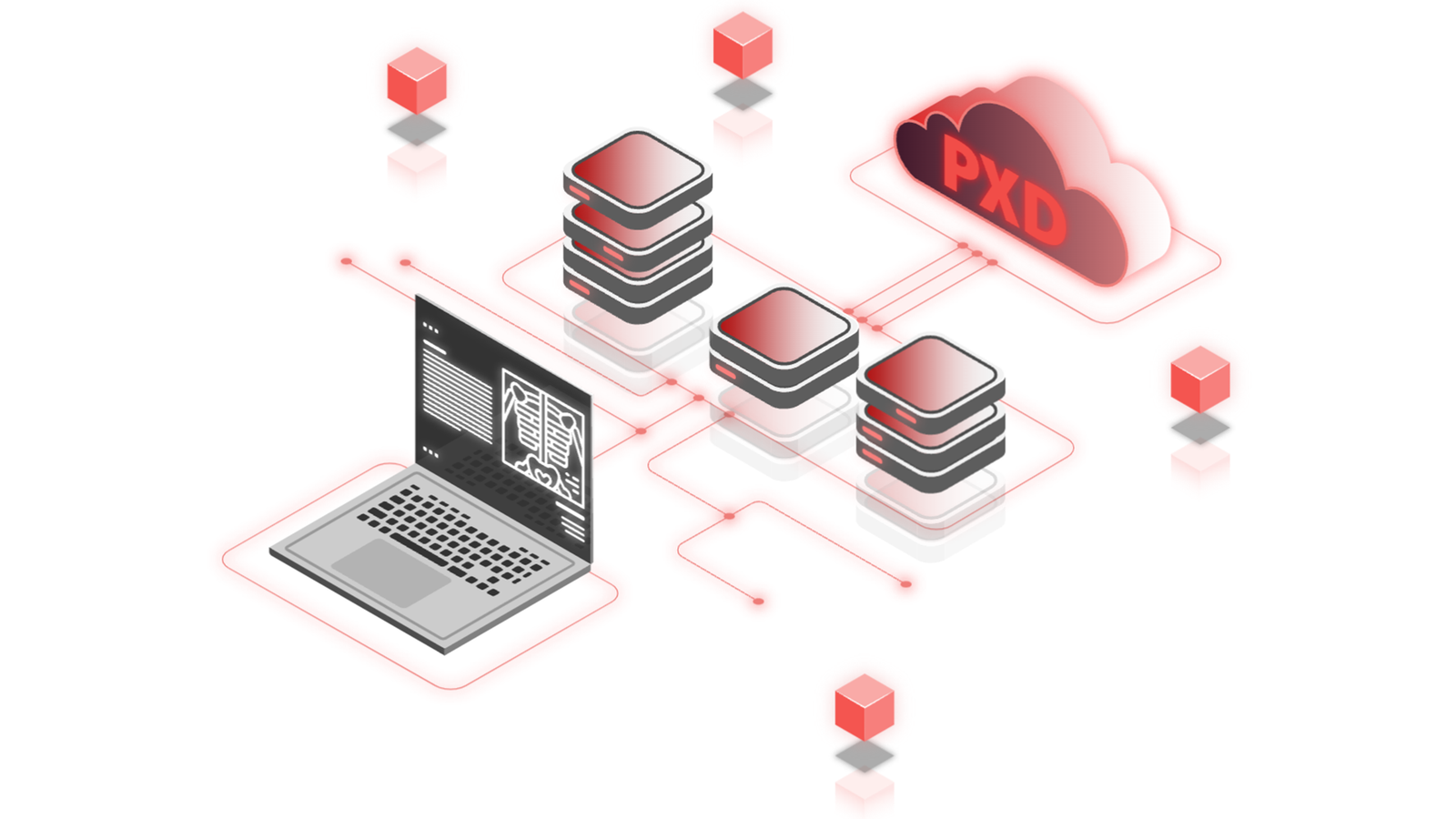
PixelData Web Teleradiology Platform is a cloud-based medical imaging solution designed to connect imaging centres with diagnostic hubs and remote radiologists. It brings examination information, image access and report preparation into a browser-based environment, supporting radiology services across different locations.
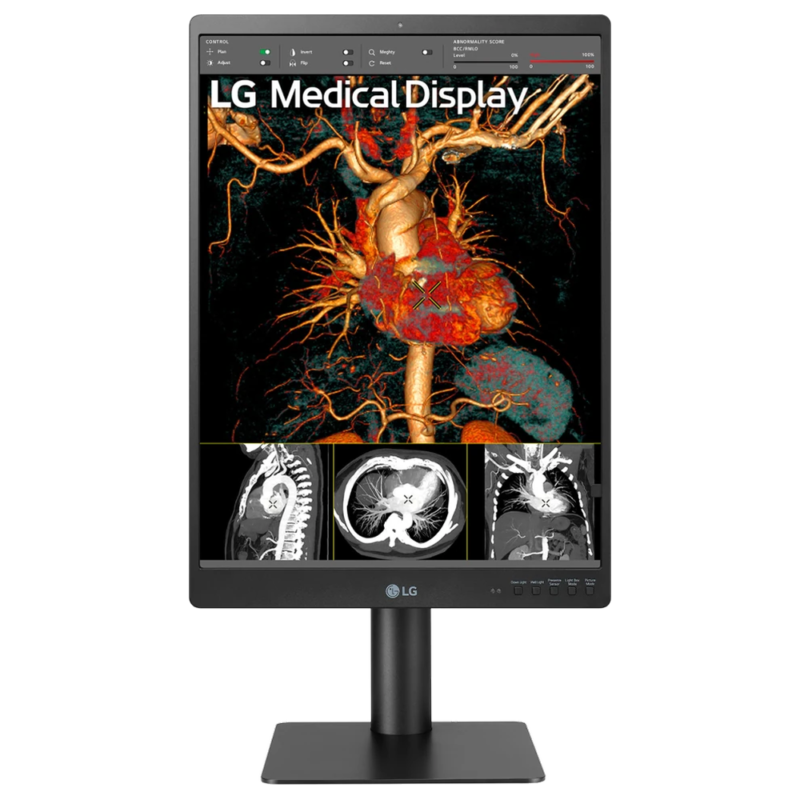
The platform uses thin-client web applications with no dedicated local client installation. Browser, device and display requirements must be confirmed for the intended clinical use.
Connected Imaging Centres & Diagnostic Teams
Radiologists can access examinations and associated patient histories from connected centres and prepare reports remotely. This supports organisations coordinating reporting across several facilities or working with external diagnostic teams.
Potential applications include multi-site radiology services, remote reporting arrangements, specialist consultations and second opinions. Staffing arrangements and clinical responsibilities remain with the participating healthcare organisations.
Medical Image Upload & Examination Access
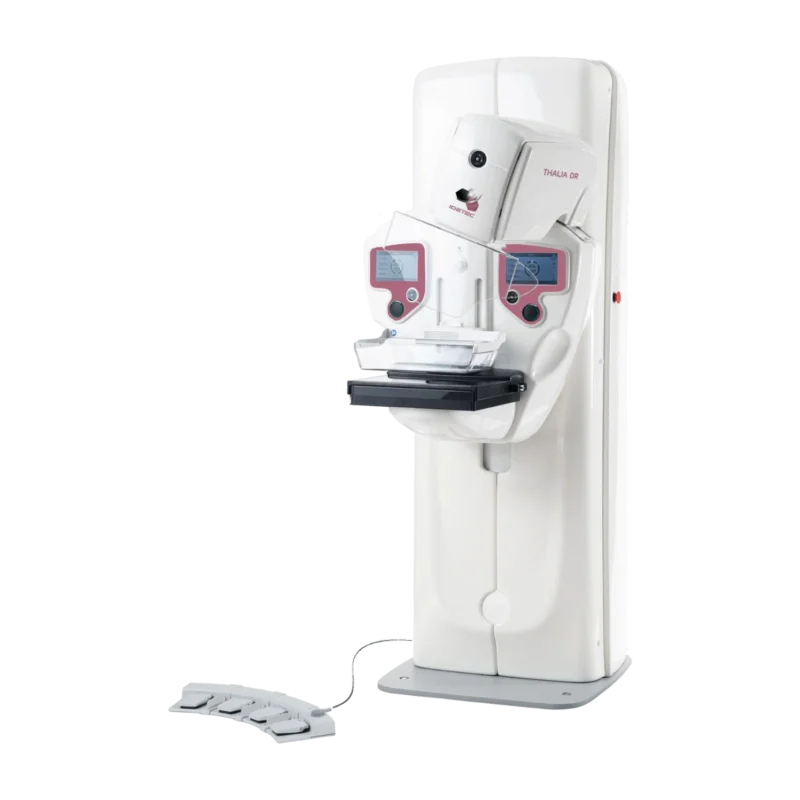
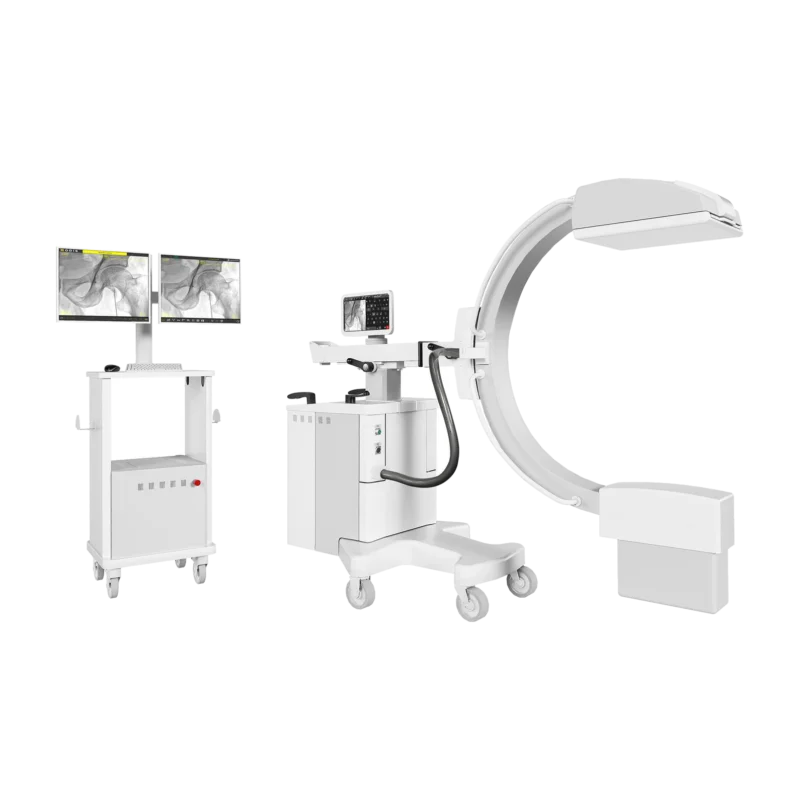
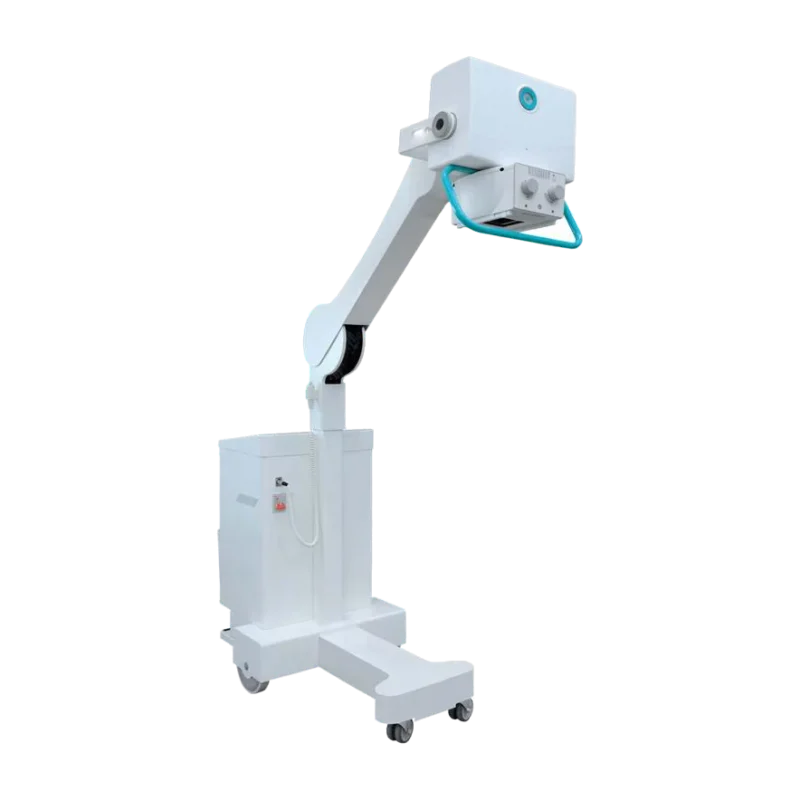
The platform supports image uploads from imaging equipment, optical drives and other storage devices. This provides multiple routes for making examination data available within a remote reporting workflow.
The precise supported formats, upload mechanisms, automated transfer options and compatibility with existing imaging equipment should be confirmed for the proposed deployment.
Reporting, Patient History & Collaboration
The manufacturer describes remote image access, report preparation and access to patient histories across multiple centres. Its October 2026 presentation also identifies real-time notifications and secure examination sharing for second-opinion workflows.
Report templates, validation and approval workflows, digital signatures, notification channels and report delivery interfaces should be defined during project assessment.
Information Security & Access Management
PixelData describes dual-layer security for the teleradiology platform. Its broader imaging environment also includes encrypted communications, role-based access controls and audit trails.
Authentication, permissions, hosting location, data retention, backup, auditability and data protection responsibilities must be established for the selected service. Security capabilities should be confirmed at product and deployment level.
Integration with PACS, RIS & Existing Radiology Infrastructure
The teleradiology platform can be evaluated as part of a connected environment incorporating PixelData PACS Server for image archiving and PixelData RIS for examination management. Connections to existing hospital systems and third-party reporting applications are subject to technical assessment.
Specific integration protocols, report exchange, access to prior studies and compatibility with third-party diagnostic viewers must be confirmed. Separate PACS, RIS, diagnostic viewing and reporting software licences are not assumed to be included.
Deployment & Technical Requirements
Before implementation, the healthcare organisation should define the number of connected sites and users, expected examination volumes, network capacity, required reporting workflows and security arrangements.
The manufacturer does not specify universal client hardware requirements, hosting regions, bandwidth minimums or licence limits on its public product page. These details, service availability, maintenance and support arrangements are established for the selected configuration.
Procurement & Implementation Through KareAI
KareAI can assist healthcare organisations in Bulgaria with PixelData teleradiology software procurement, workflow assessment, infrastructure evaluation and integration planning. Contact KareAI to discuss remote reporting requirements, connected facilities, deployment options, licensing, implementation and pricing.
The offering is a software platform supporting teleradiology workflows, rather than a provision of radiologist staffing or diagnostic services. Product-specific regulatory status and intended-use scope must be confirmed for the supplied configuration.